Black History Month 2026
2 Weeks ago by Nailah Haque
News
2 Mins read
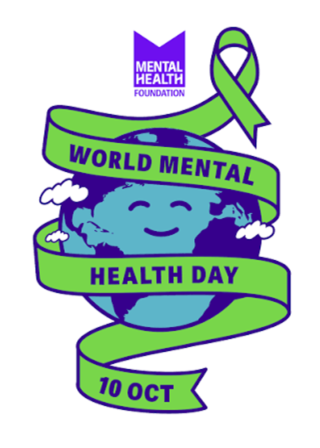
World Mental Health Day (10th October) gives us the opportunity to remember how important good mental health is in our everyday lives.
This year’s theme, ‘Lived Experience Heard: Real Voices, Real Change’ highlights lived experience as an important source of knowledge and expertise that should be used when designing policies and services around mental health support. By listening to those have direct experience of mental health difficulties, we can gain a better understanding of what meaningful, person-centred support looks like in practice. For Working Well Trust, this is an important part of the support our services provide.
What is lived experience?
The World Mental Health Organisation defines lived experience as what “someone has experienced themselves giving them the individual knowledge or understanding that people who have only heard or learnt about such experiences, do not have.” We want to make sure that people with lived experience are at the centre of how we design our services as they understand their needs better than anyone. We do this through peer-led approaches and co-production, so that our support is actually responsible to clients’ needs. Lived experience isn’t just something we recognise, but something we use to shape how we work.
How we do this
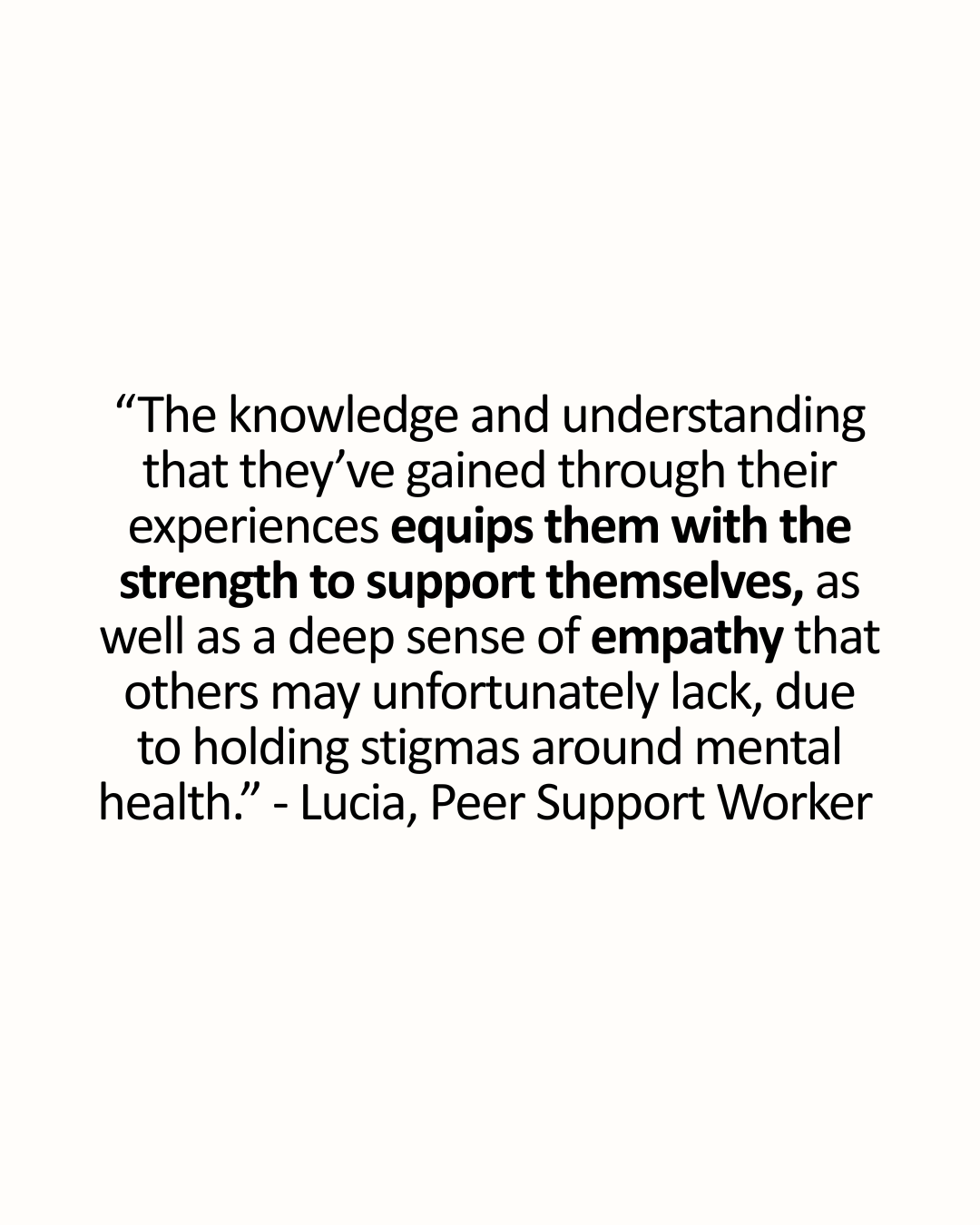
We have dedicated Peer Support Workers (PSWs) whose lived experiences shape their approach to supporting clients. Lucia, from our team in Kingston says,
“My own lived experience has taught me of the importance of not making assumptions… I can recognise that everyone processes and communicates their emotions differently.”
Another PSW from our Tower Hamlets team explains how after dealing with anxiety and postpartum depression herself, she makes sure to “stay empathetic, non-judgmental and be a good listener.” Both emphasise a key strength of peer support: the ability to understand that there is not a singular experience of mental health and that active listening needs to be part of all conversations.
Our staff take a person-centred approach, meaning they are “eager to explore each client’s individual needs… recognising each person [has] their own interests, views and strengths.” Lucia ensures that “each meeting with a client is led by the support they feel would be most helpful for them.” This means giving clients the “time and space to express their needs and process information in their own time, as I know how much patience can help create a safe space.”
Flexibility to key to this and out staff understand that the personal circumstances of our clients will change over time, which means we must be able to adapt accordingly.
“For example, if a client is experiencing difficultuies with their mental health, their Employment Specialist may notice that employment is not their most urgent need at that moment and explore whether they would benefit from being offered additional support with their mental health first.” – Lucia
Most importantly, all of our staff go above and beyond to support their clients:
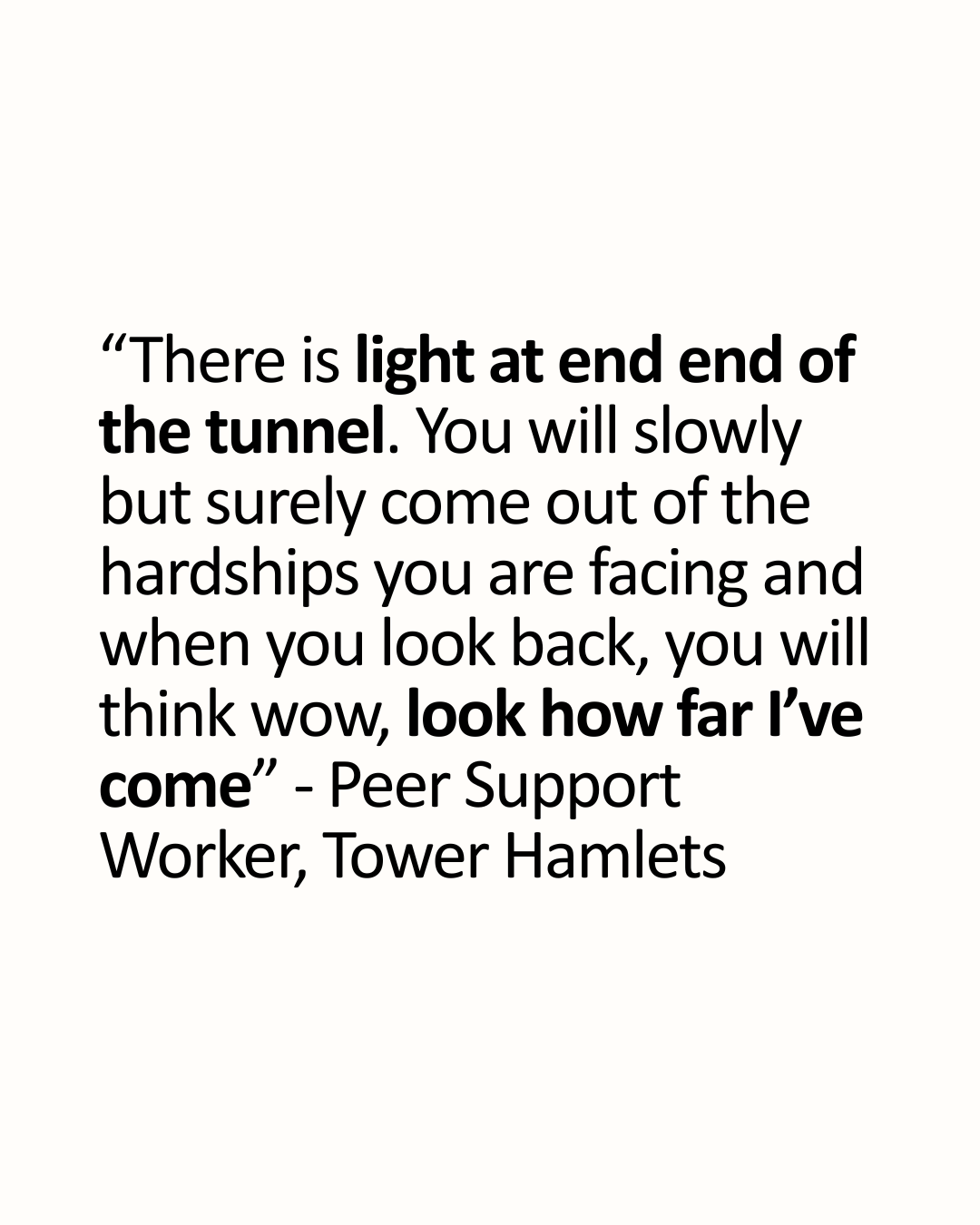
“We really go out of our way to support clients. For example, when clients start volunteering opportunities, they may ask to go along with them. We do, and we give them out support. I try my best to make sure my clients are being supported to the fullest.” – PSW, Tower Hamlets
Co-production
Effective co-production relies on the expertise of lived experience as it is a “a way of working whereby… people who use services, family carers and service providers work together to create a decision or service which works for them all.” One way the Trust embeds co-production in how we work is through our recruitment which includes a client-led panel.This means that who we recruit is a collaborative decision made by staff and our clients. It recognises the insight clients can offer into the approaches and qualities that are important in the people delivering support.
Client X described what they were looking for when interviewing candidates:
“I was looking for someone who was interested emotionally in what they wanted to do and would truly wants to help the client. But also, for someone well trained that could find the right jobs for our clients.”
X, like other clients on these panels was able to bring their understanding of what it’s like to receive support and help identify qualities that will make a meaningful difference. This form of collaboration strengthens our relationships with clients and the wider community as they become active participants in building support services.
“I believe I did have a great impact on the team but also creating a better working environment through my experience in this area. My contribution was substantial and it brought great change.” – X
X demonstrates another important aspect of co-production: people with lived experience are not simply recipients of services but can be contributors to the way those services develop. Their knowledge can influence recruitment, workplace culture and ultimately the experience of other people using the Trust’s services.
Creating change
At the Working Well Trust, lived experience informs our support in different ways. Through our Peer Support Workers, we are able to build supportive relationships with clients so that their individual needs are understood. Through co-production, we work collaboratively with clients, giving them the space to partake in the decisions that will impact them the most.
World mental Health day gives us the chance to reflect on how we listen and what to do with what we hear. We at the Trust recognise that when real experiences are listened to and understood, they can help create mental health services that are accessible, holistic and responsive to people’s needs.